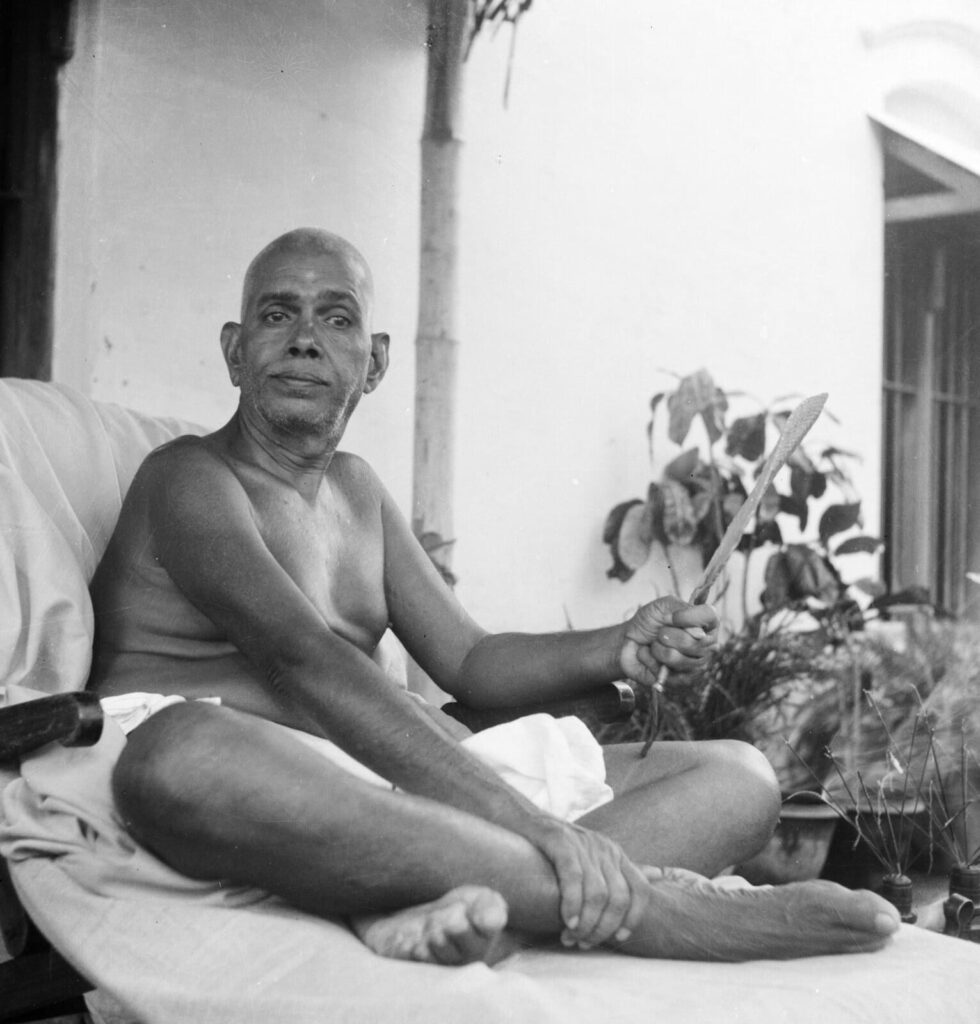
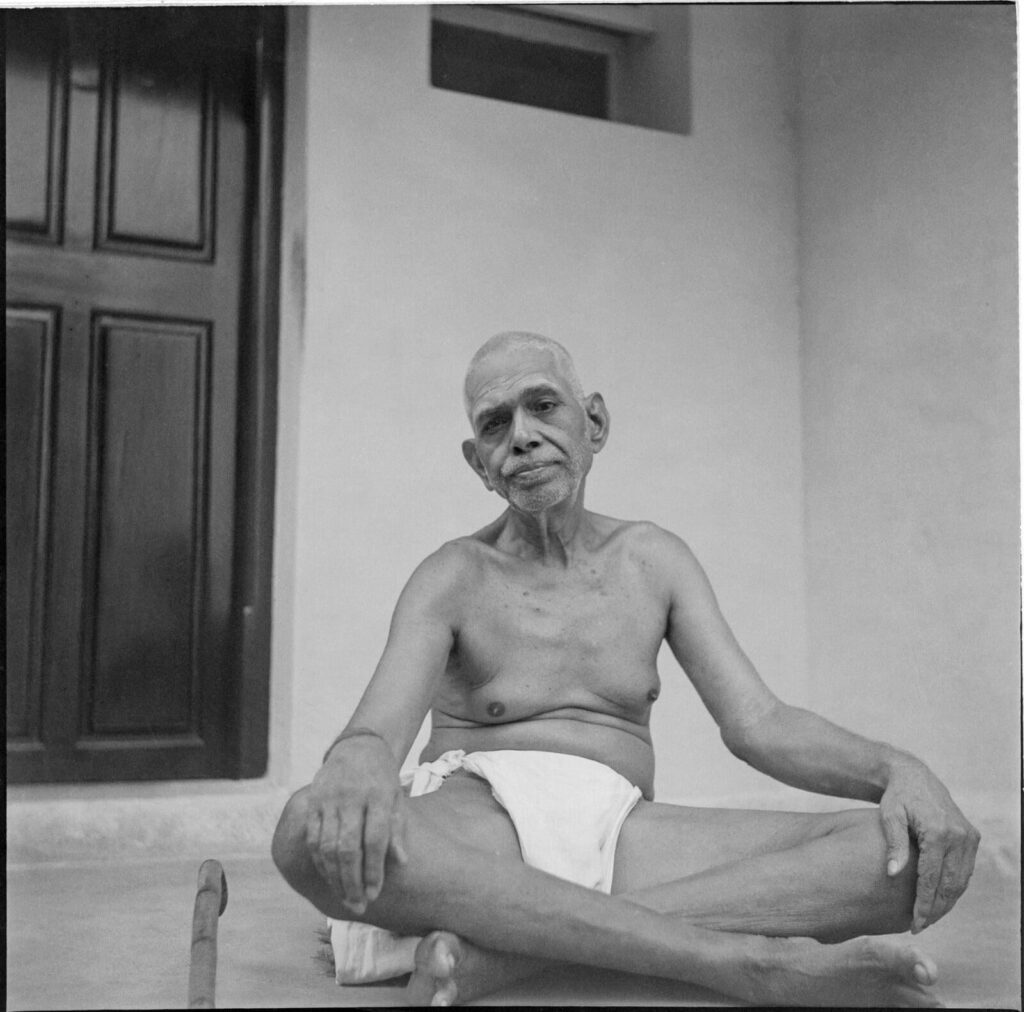
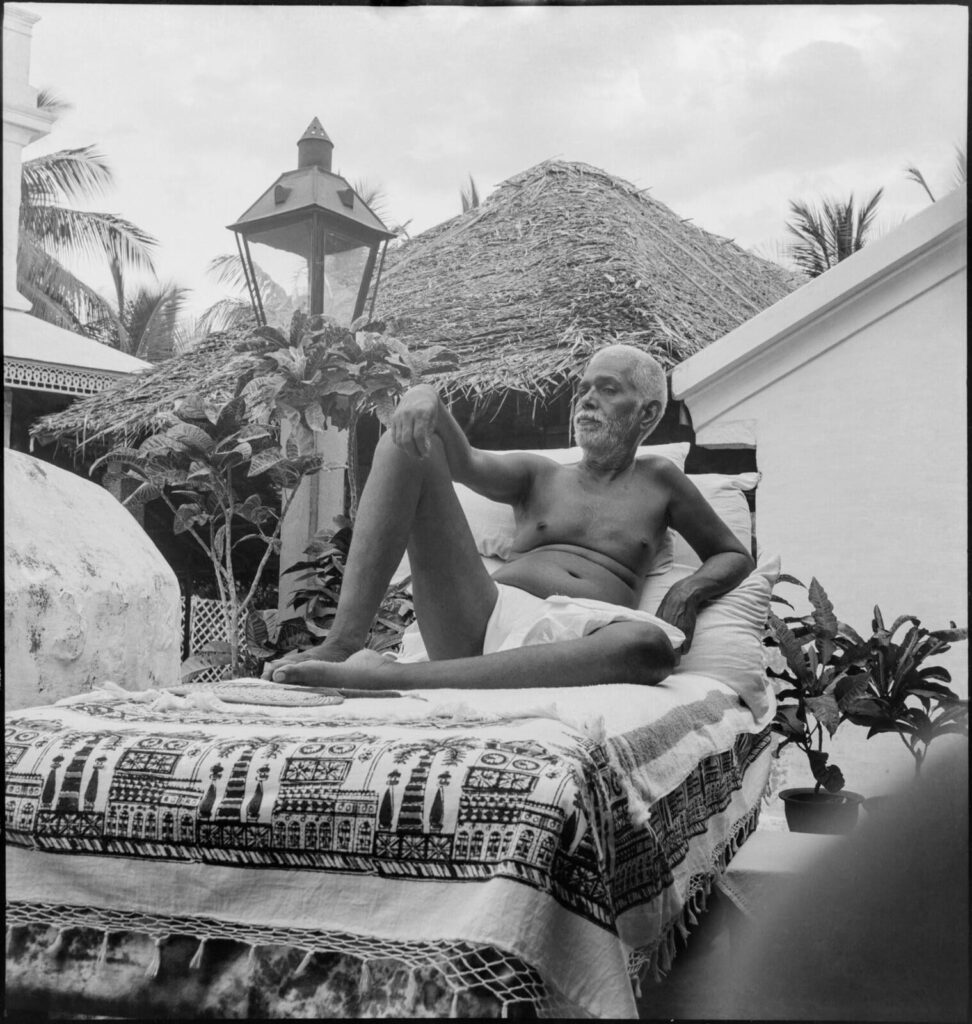
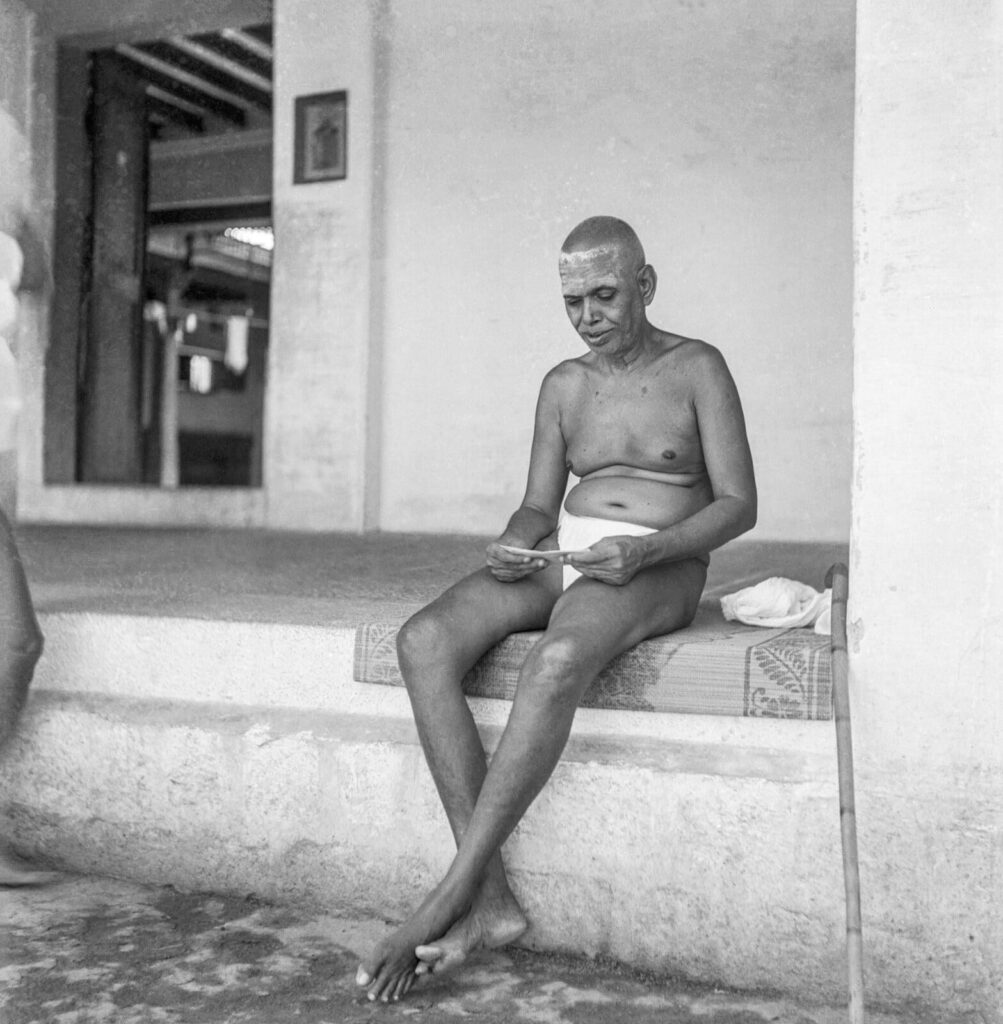
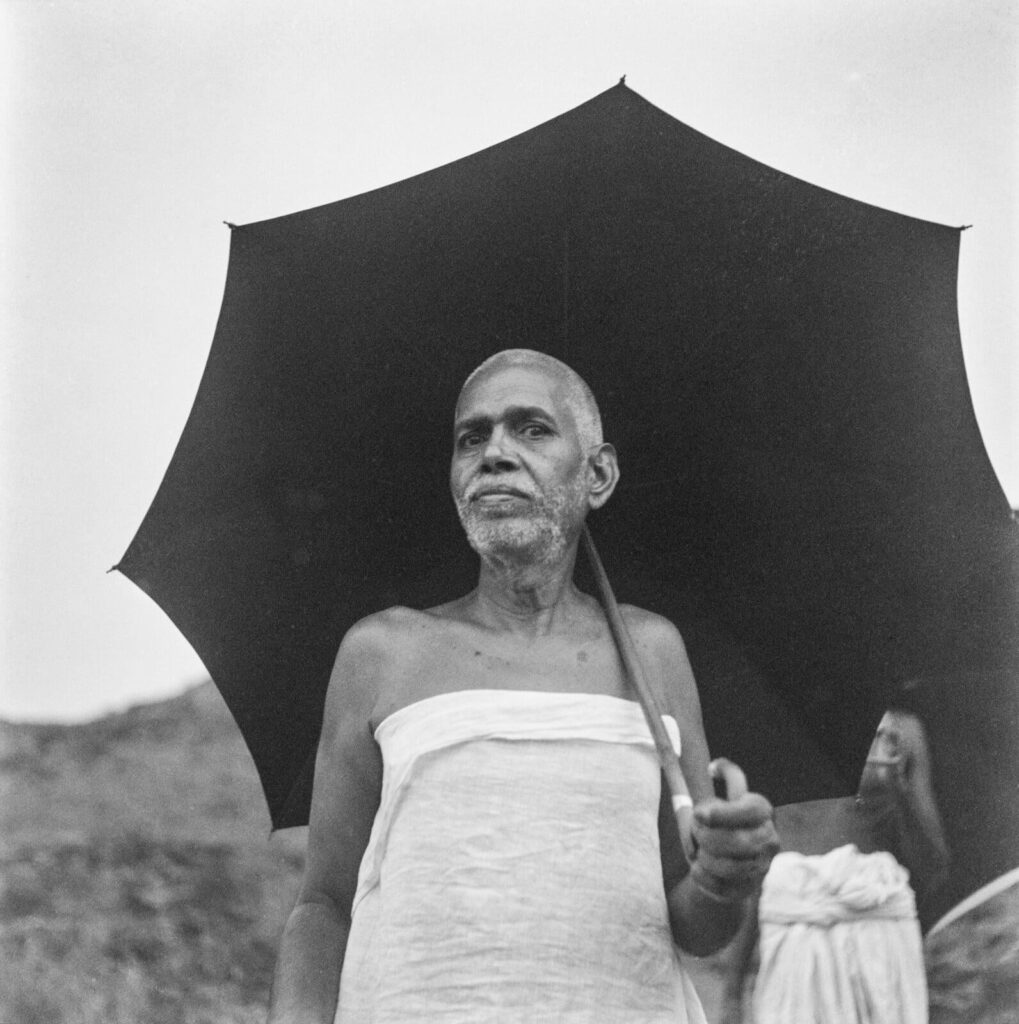
Sri Ramana Maharshi, reverentially called “Bhagavan” by his followers, is one of India’s most cherished spiritual icons whose life and teachings continue to inspire people worldwide.
What was inspiring about Sri Ramana was that his teachings steered sharply away from dogma or the invocation of religious orthodoxy and were firmly grounded in very simple principles that the forced the seeker to turn his attention inwards.
Maharshi insisted that rather than relying only on scriptural learning, the seeker should practice regular Self-enquiry as a personal journey towards Self-realization.
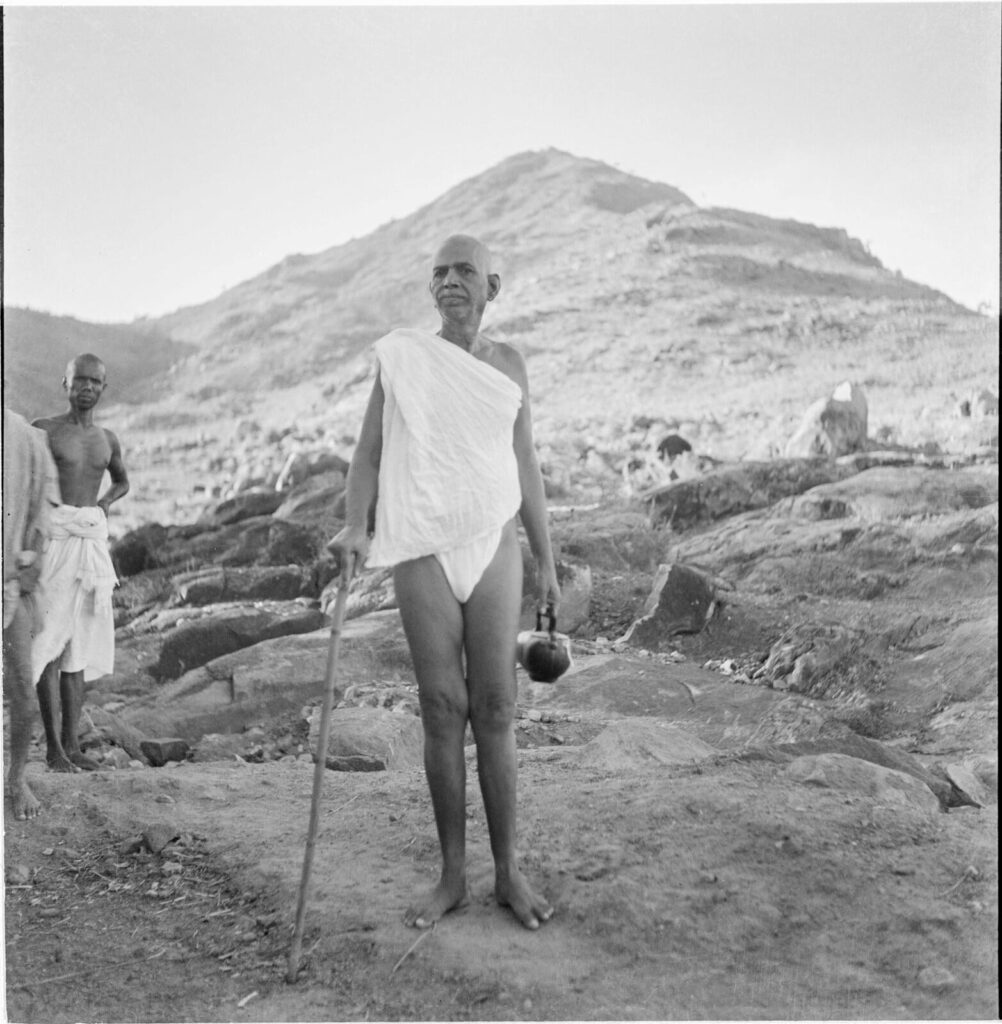
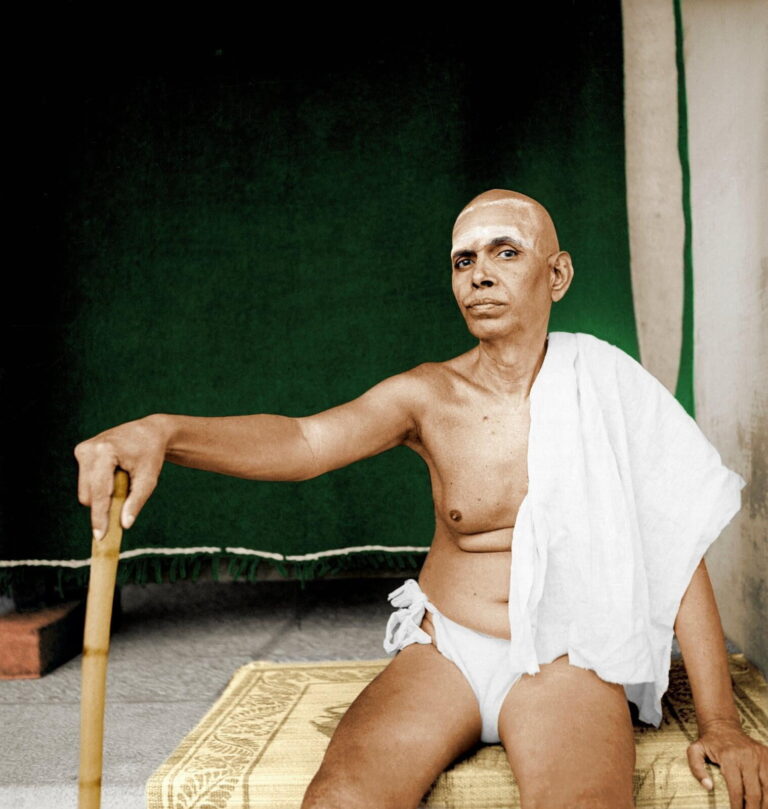
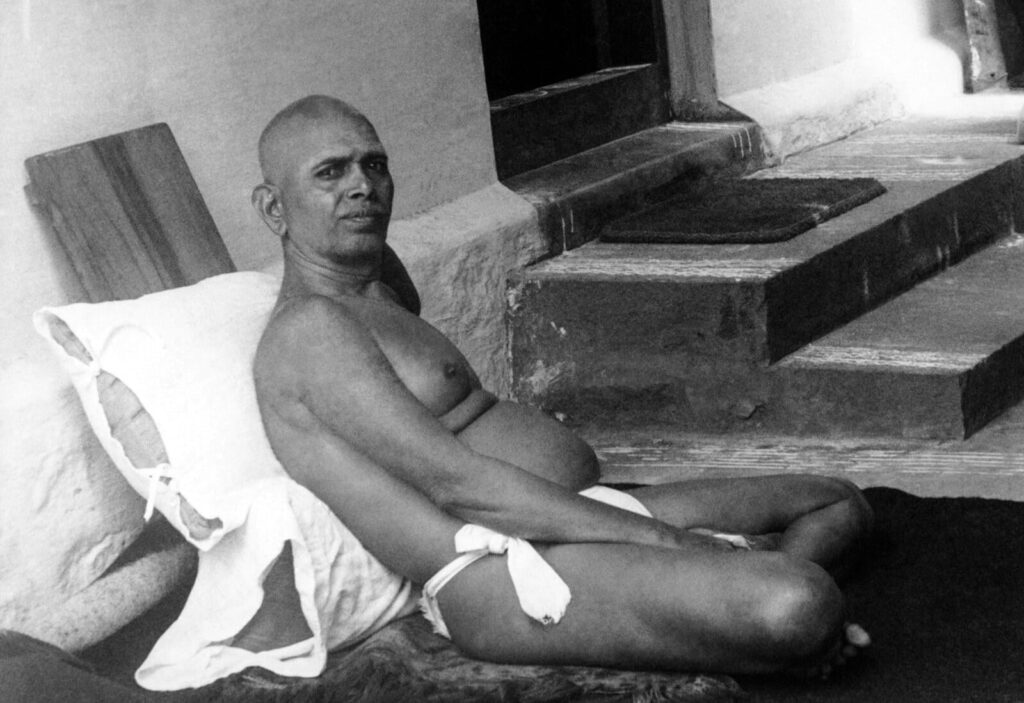
Almost everyone who came into contact with Maharshi was impressed by his simplicity and his humbleness. He made himself available to visitors twenty-four hours a day by living and sleeping in a communal hall which was always accessible to everyone, and his only private possessions were a loin-cloth, a water-pot and a walking-stick.
Although Maharshi was worshipped by thousands as a living God, he refused to allow anyone to treat him as a special person and he always refused to accept anything which could not be shared equally by everyone in his ashram.
Maharshi’s sense of equality was legendary. When visitors came to see him – it made no difference whether they were VIPs, peasants or animals – they would all be treated with equal respect and consideration.
Thousands of visitors flocked to see him and for the last twenty years of his life he was widely regarded as India’s most popular and revered holy man. Some of these thousands were attracted by the peace they felt in his presence, others by the authoritative way in which he guided spiritual seekers and interpreted religious teachings, and some merely came to tell him their problems.
Few of Maharshi’s followers were capable of assimilating the highest truth in its most undiluted form and so he often adapted his teachings to conform to the limited understanding of the people who came to him for advice.